


How to Choose Reliable Web Hosting in South Africa Without Overpaying
Finding the right hosting solution can significantly impact how your website performs, especially for businesses that depend on visibility, speed, and uptime. Many website owners in South Africa struggle with balancing affordability and performance, often ending up either overpaying for unnecessary features or choosing low-cost providers that compromise reliability. This balance becomes even more important when scaling a business online.
When evaluating options, it is easy to get overwhelmed by technical jargon, promotional pricing, and bundled packages that look cheaper than they actually are over time. The key is understanding what truly matters for your specific needs rather than what is marketed most aggressively.
Choosing the right provider for web hosting South Africa requires a practical approach that focuses on performance, transparency, and long-term value rather than just introductory discounts.
Understanding What Reliable Hosting Actually Means
Reliability in hosting is not just about uptime percentages advertised on landing pages. It includes server stability, consistent performance under load, responsive technical support, and predictable pricing structures.
A hosting provider may promise “99.9% uptime,” but real-world performance depends on infrastructure quality, data center location, and traffic handling capabilities. South African businesses, in particular, benefit from servers located closer to their target audience, which reduces latency and improves user experience.
Another often overlooked factor is support quality. When websites go down, fast and knowledgeable support becomes more valuable than any feature bundle.
Key Features That Actually Matter When Comparing Providers
Not all hosting features are equally useful. Many are bundled to increase perceived value rather than improve real performance. Focusing on essentials helps avoid unnecessary spending.
Before committing to a provider, it helps to evaluate core technical and business factors such as storage type, scalability, and security protections.
Some of the most important features to prioritize include:
- SSD or NVMe storage for faster website loading speeds
- Reliable daily or automated backups for data protection
- Scalable bandwidth to handle traffic growth
- Strong security layers such as firewalls and malware scanning
- Local or regional server options for reduced latency
- Transparent renewal pricing without hidden cost increases
These factors are far more important than unlimited email accounts or free website builders, which are often used as marketing incentives rather than essential tools.
The most suitable plan is usually the one that aligns with current needs while allowing room for growth, rather than the most feature-heavy option available.
Common Mistakes That Lead to Overpaying
Many users end up spending more than necessary because they misunderstand how hosting pricing structures work. Introductory deals often look attractive but can increase significantly after the first billing cycle.
Another common issue is purchasing advanced plans without needing their features. Small websites, blogs, and local business pages rarely require enterprise-level resources.
A well-known pattern is overcommitting to long-term plans without testing service quality first. While longer contracts may reduce monthly cost, they also increase risk if the provider underperforms.
In the South African market, several reputable providers such as Afrihost, xneelo, and HostAfrica offer a range of entry-level and scalable hosting solutions. Comparing them carefully helps avoid paying for unnecessary extras bundled into higher-tier plans.
Performance Factors That Directly Affect Your Website
Website speed is not just a technical concern; it directly influences user engagement and search visibility. Slow-loading websites tend to lose visitors quickly, especially on mobile networks where speed fluctuations are common.
Server location plays a major role in performance. Hosting a South African website on local or nearby servers generally results in faster load times compared to overseas hosting.
Another important factor is caching technology. Proper caching reduces server load and improves page delivery speed during traffic spikes.
When evaluating Web Hosting in South Africa, it is important to test real-world performance rather than relying solely on advertised specifications. Many providers offer demo dashboards or trial periods that allow limited testing before committing.
Security and Data Protection Considerations
Security is often underestimated until a problem occurs. Websites are frequent targets for automated attacks, malware injections, and phishing attempts.
A secure hosting environment should include proactive monitoring, automated backups, and malware detection systems. Without these protections, recovery after an attack can be costly and time-consuming.
Basic security expectations include:
- SSL certificates for encrypted connections
- Regular automated backups stored offsite
- Malware scanning and removal tools
- Secure file access protocols
- Protection against brute-force login attempts
Businesses handling customer data or online transactions must take security even more seriously, as data breaches can have legal and financial consequences.
How to Match Hosting Plans to Real Needs
One of the most effective ways to avoid overspending is to match hosting plans directly to your website type. A simple portfolio site has very different requirements compared to an e-commerce platform or membership system.
Small business websites typically perform well on shared hosting plans, while growing businesses may need VPS or cloud-based solutions for better scalability.
It is also important to consider future growth. Upgrading later is usually better than paying for unused capacity from the beginning.
Choosing the right plan also depends on expected traffic, media usage, and software requirements. For example, WordPress sites with heavy plugins may require more resources than static websites.
Evaluating Pricing Beyond the Monthly Cost
Many users focus only on monthly pricing, but total cost of ownership provides a clearer picture. Renewal fees, add-ons, and upgrade charges can significantly increase long-term expenses.
Some providers advertise low entry pricing but charge extra for essentials like backups or security tools. Others include these features by default, which can make a slightly higher initial price more cost-effective overall.
It is also worth considering cancellation flexibility. Lock-in contracts may reduce monthly rates but limit the ability to switch providers if performance is poor.
Understanding pricing structures helps ensure that hosting remains sustainable as your website grows.
Support Quality and Its Real Impact on Reliability
Technical support often becomes the deciding factor when issues arise. Even the most stable systems can experience occasional downtime or configuration errors.
Fast response times and knowledgeable support staff reduce disruption and help maintain business continuity. Live chat, ticket systems, and local support availability all contribute to better service outcomes.
Some providers invest heavily in customer support infrastructure, while others rely on automated systems that may not resolve complex issues efficiently.
For businesses relying on hosting in South Africa, support quality should be considered as important as technical specifications.
Making a Balanced Long-Term Decision
Selecting a hosting provider is not just a one-time purchase decision. It affects performance, security, and scalability over time.
The best approach is to prioritize stability, transparency, and adaptability rather than chasing the lowest price. A well-chosen provider reduces long-term maintenance issues and supports business growth more effectively.
Careful comparison, realistic assessment of needs, and attention to hidden costs all contribute to a better outcome.
Reliable hosting is ultimately about consistency and trust, ensuring that your website remains accessible, fast, and secure as your online presence evolves.

Why GX Slingshots Appeals to Both Beginners and Experienced Shooters
The appeal of slingshot shooting as a recreational activity has grown steadily in recent years, attracting both casual hobbyists and highly skilled enthusiasts. Within this expanding space, GX Slingshots has become associated with a structured approach to quality, consistency, and user-focused design. This combination makes it relevant across a wide spectrum of experience levels.
For many newcomers, the entry point into slingshot shooting can feel overwhelming due to variations in frame design, band tension, and ammunition types. At the same time, experienced users often seek refinement, precision, and durability in their equipment choices. Bridging these two groups requires a careful balance of accessibility and performance.
Understanding why one brand or system appeals to both ends of the spectrum helps explain broader trends in recreational shooting sports. It also highlights how thoughtful product design can support safer, more consistent user experiences over time.
A balanced design approach that supports progression
A major reason slingshot systems attract different skill levels is the adaptability built into their design. Entry-level users typically require stability, predictability, and ease of use, while advanced users prioritise tuning capability and consistency under varied conditions.
This dual requirement has shaped the evolution of modern equipment, where modular components and interchangeable parts are increasingly common. It allows users to start simple and gradually refine their setup as their confidence grows.
Why beginners find slingshot shooting approachable
For new users, the most important factors are control, safety awareness, and ease of learning. Equipment that reduces unnecessary complexity tends to build confidence more quickly and helps establish good habits early on.
Beginners typically benefit from equipment features that reduce setup errors and encourage consistent form. This is especially important in any precision-based recreational activity where small inconsistencies can affect results significantly.
Common beginner-friendly characteristics include:
- Stable frame geometry that supports a consistent grip
- Simplified band attachment systems to reduce setup confusion
- Moderate draw weight options to encourage controlled learning
- Clear visual alignment points for improved aiming consistency
- Durable materials that can withstand early handling mistakes
These features contribute to a smoother learning curve and reduce the likelihood of frustration during the early stages of practice.
What experienced shooters prioritise in performance
More experienced users tend to shift their focus toward refinement rather than basic usability. At this level, small improvements in consistency and ergonomics can significantly influence overall performance.
Precision becomes more important than simplicity, and many shooters begin to experiment with different configurations to match their style. This includes variations in band resistance, frame weight distribution, and projectile selection.
In discussions around performance-oriented setups, GX Slingshots is sometimes referenced for its emphasis on consistency and component reliability across different configurations.
Advanced shooters typically look for:
- High consistency in band performance across repeated use
- Frames with optimised balance for reduced fatigue during longer sessions
- Fine-tuned alignment for improved shot repeatability
- Compatibility with a range of band types and strengths
- Materials that maintain structural integrity under repeated stress
At this stage, users are less concerned with learning the basics and more focused on refining technique and equipment synergy.
Build quality and consistency across experience levels
Durability and manufacturing consistency are key factors that influence user satisfaction in any precision sport. Equipment that performs predictably over time reduces variability and allows users to focus more on skill development than equipment limitations.
For both beginners and experienced users, consistent performance builds trust in the setup. Without that reliability, it becomes difficult to distinguish between user error and equipment inconsistency.
This is where brands like GX Slingshots are often evaluated in terms of long-term usability rather than just initial performance. Consistency in frame construction, band compatibility, and accessory integration plays a central role in user retention and satisfaction.
Safety awareness and responsible use practices
Any recreational shooting activity requires a strong emphasis on safety and responsible handling. This includes understanding local regulations, using appropriate protective measures, and ensuring that equipment is used only in suitable environments.
New users in particular should take time to understand safe handling principles before focusing on performance. This reduces risk and helps build sustainable habits that support long-term participation in the activity.
Key safety considerations include:
- Always selecting appropriate backstops or controlled environments
- Avoiding use in public or unsafe areas
- Ensuring equipment is inspected regularly for wear or damage
- Using suitable protective eyewear where appropriate
- Storing equipment securely when not in use
These principles are essential for maintaining a responsible approach to the sport and ensuring it remains a safe recreational activity for all participants.
The role of progression in skill development
One of the most important aspects of slingshot shooting is the natural progression from basic control to refined accuracy. Users often begin with simple target practice and gradually develop more advanced techniques as familiarity increases.
This progression is supported by equipment that does not force immediate complexity but allows gradual adaptation. A system that grows with the user encourages continued engagement and reduces early drop-off.
In this context, GX Slingshots is often associated with a structured progression path that supports both entry-level experimentation and advanced refinement without requiring users to change platforms entirely.
Community influence and shared learning
Recreational shooting sports often develop strong community elements, where users share advice, compare setups, and exchange practical insights. This social layer can significantly improve learning outcomes for beginners while also providing experienced users with new perspectives.
Community feedback often influences purchasing decisions, particularly when users are comparing performance, durability, and ease of use across different setups. Over time, shared experiences help shape expectations and improve overall standards within the sport.
This collaborative environment encourages continuous improvement and helps users refine both their technique and equipment choices.
Long-term engagement and user satisfaction
Sustained interest in any hobby depends on a combination of accessibility, challenge, and room for growth. If a system is too simple, experienced users may lose interest. If it is too complex, beginners may disengage early.
The most successful platforms manage to balance both ends of this spectrum. They allow users to start easily while still offering depth for long-term exploration.
Within this framework, GX Slingshots represents a product ecosystem that supports gradual skill development, consistent performance, and adaptable configurations that remain relevant across different stages of user experience.
When these factors align effectively, the result is a recreational activity that remains engaging over time, supports responsible use, and accommodates a wide range of skill levels without sacrificing usability or performance.

How Land Use Planning Affects Commercial and Residential Expansion
Living in rapidly growing urban and peri-urban areas requires careful coordination between infrastructure, housing demand, and environmental protection. One of the most influential mechanisms guiding this balance is how authorities and professionals apply land use planning in shaping cities, towns, and developing regions. It determines where people can build homes, establish businesses, and preserve natural spaces.
When done effectively, spatial planning supports orderly expansion while reducing conflict between competing land uses. Poorly managed growth, on the other hand, can lead to congestion, service delivery strain, and inefficient settlement patterns. These outcomes directly affect both economic opportunity and quality of life.
Understanding how development decisions are structured helps property owners, investors, and communities make informed choices. It also highlights why municipal frameworks and zoning systems matter so much in long-term urban sustainability.
Understanding the Role of Spatial Structuring in Development
At its core, urban expansion depends on structured decision-making about how land is allocated and used. Authorities use zoning schemes, spatial frameworks, and development guidelines to ensure that residential, commercial, industrial, and mixed-use areas are appropriately positioned.
This system is not static. It evolves as population growth, infrastructure demands, and economic activity shift over time. For example, a once-residential suburb may gradually transition into a mixed-use corridor as demand for retail and office space increases.
In practice, the discipline of land use planning helps prevent incompatible developments from occurring side by side, such as heavy industry next to residential housing. It also ensures that essential services like schools, healthcare facilities, and transport networks are integrated into growing communities.
Well-structured spatial systems are also crucial for environmental protection. Wetlands, floodplains, and conservation areas must be identified and preserved to reduce long-term ecological risks and infrastructure damage.
Key Factors That Shape Urban and Commercial Growth
Several interconnected elements determine how cities and towns expand over time. These factors influence investment decisions, property values, and the overall functionality of built environments.
One of the most important drivers is infrastructure availability. Roads, electricity supply, water systems, and public transport networks often dictate where development can realistically occur. Without these, even high-demand areas may remain underdeveloped.
Economic trends also play a major role. Commercial hubs tend to form around areas with high foot traffic, accessibility, and workforce availability. Residential growth typically follows job opportunities, creating a dynamic relationship between living spaces and employment zones.
Environmental constraints further shape expansion. Areas prone to flooding, steep slopes, or ecological sensitivity may be restricted or require special development approvals.
A structured approach to spatial development typically considers:
- Population growth projections and housing demand
- Existing infrastructure capacity and upgrade requirements
- Environmental risk zones and conservation priorities
- Economic development goals and employment distribution
- Transportation corridors and accessibility networks
These elements must be balanced carefully to avoid urban sprawl, inefficient land consumption, or infrastructure overload.
How Planning Decisions Influence Property Markets
Property markets are highly sensitive to regulatory frameworks and zoning changes. When an area is rezoned for higher density or commercial use, property values can increase significantly due to improved development potential.
Conversely, restrictive zoning can limit investment opportunities, particularly in areas where demand for development exceeds supply. This makes regulatory certainty a key factor for developers and investors.
Municipal decisions also affect the timing of development approvals. Delays in rezoning applications or subdivision permissions can slow down housing delivery and commercial expansion.
Effective coordination between municipal authorities and private developers ensures that growth aligns with infrastructure capacity. This reduces the risk of overburdening services such as water supply, waste management, and road networks.
In many growing cities, particularly in regions experiencing rapid urbanisation, structured frameworks guide how neighbourhoods transition from low-density residential areas into more complex urban environments.
Managing Residential Expansion in Growing Cities
Residential growth requires more than just allocating space for housing. It involves ensuring that communities are livable, connected, and supported by essential services.
As cities expand outward, planners must consider commuting patterns, affordability, and access to amenities. Poorly planned expansion often results in long travel times, fragmented neighbourhoods, and unequal access to services.
A well-coordinated system ensures that housing developments are integrated with schools, healthcare facilities, public transport routes, and employment nodes.
Developers and municipalities often rely on phased development strategies to manage this growth effectively. These strategies help ensure that infrastructure is delivered in step with housing demand rather than lagging behind it.
Risks of Poor Spatial Coordination
When development occurs without sufficient planning oversight, several challenges can emerge. These may include informal settlement growth, infrastructure strain, and environmental degradation.
Inconsistent zoning enforcement can also create uncertainty for investors and homeowners. This uncertainty can slow down economic activity and reduce confidence in long-term development projects.
Poor coordination between different government departments may result in overlapping approvals or contradictory land use decisions. This highlights the importance of integrated governance in managing urban growth.
Common issues associated with weak development control include:
- Traffic congestion due to inadequate transport planning
- Insufficient public service capacity in fast-growing suburbs
- Loss of green spaces and ecological buffers
- Increased flooding risk from unmanaged stormwater systems
- Uneven distribution of economic opportunities
Addressing these challenges requires long-term strategic thinking rather than short-term reactive decisions.
The Link Between Commercial Development and Urban Structure
Commercial expansion depends heavily on accessibility, visibility, and infrastructure support. Retail centres, office parks, and industrial zones typically cluster in areas where transport links are strong and workforce access is efficient.
As cities expand, commercial nodes often develop along major roads or near public transport hubs. This reduces commuting time and improves economic efficiency.
The interaction between residential and commercial areas must be carefully balanced. Too much separation can lead to commuter congestion, while excessive mixing without proper design can create land use conflicts.
In many modern urban systems, mixed-use development is becoming more common. This approach combines residential, commercial, and recreational spaces within a single area, improving convenience and reducing travel distances.
Strategic Considerations for Sustainable Growth
Long-term urban sustainability depends on aligning development with environmental capacity and infrastructure planning. Decision-makers must evaluate not only current demand but also future population and economic trends.
Key principles often include compact city design, efficient transport integration, and preservation of ecological assets. These principles help reduce urban sprawl and improve resource efficiency.
Stakeholders involved in development should also consider social equity. Ensuring that housing, services, and employment opportunities are distributed fairly contributes to more inclusive urban environments.
A coordinated approach to expansion reduces long-term costs for municipalities and improves resilience against infrastructure failure or environmental shocks.
Ultimately, effective spatial governance provides a foundation for stable, predictable, and balanced growth that benefits both residential communities and commercial stakeholders.

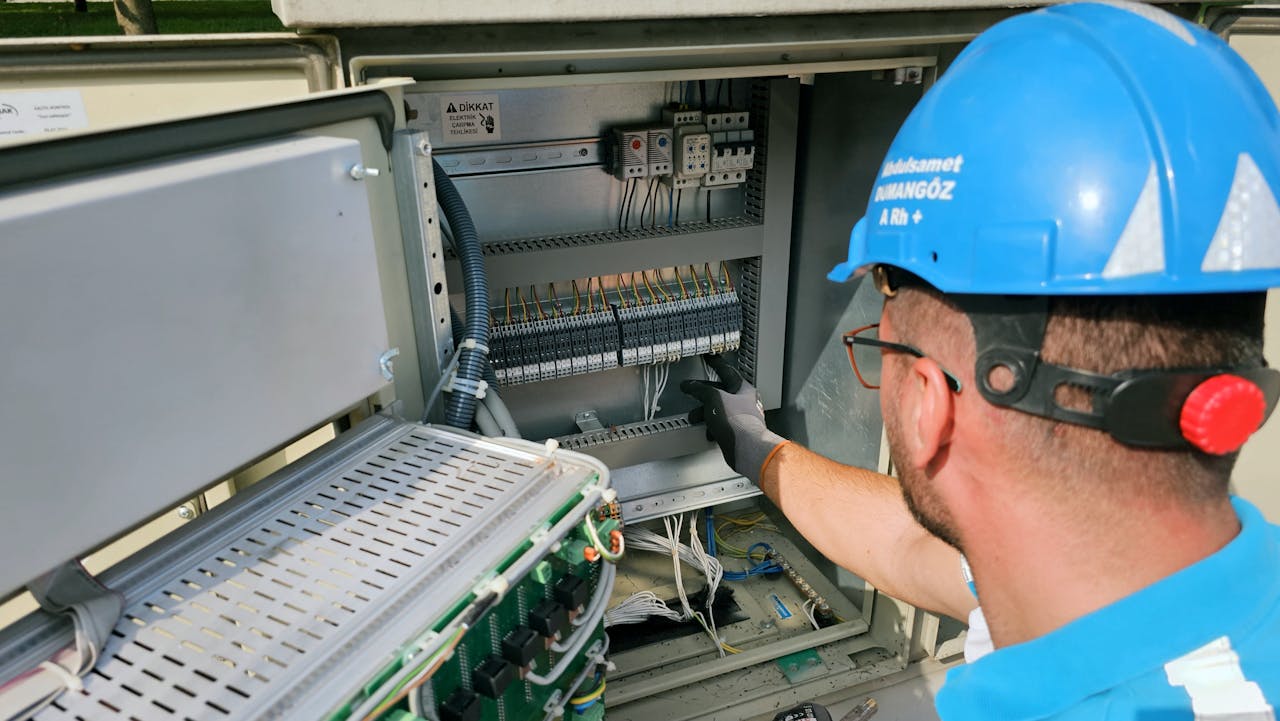
Electrician Cape Town: Emergency Electrical Services and When You Need Them
Electrical issues rarely happen at a convenient time. Whether it’s a sudden power outage, exposed wiring, or a burning smell from a switchboard, these situations demand immediate attention. Ignoring early warning signs can escalate a minor fault into a serious hazard, affecting both safety and property value.
For homeowners and business operators alike, knowing when to call for urgent assistance is critical. Electrical systems are complex, and attempting to fix faults without proper training can lead to further damage or personal injury. That’s why professional intervention is not just helpful—it’s essential.
Many people only consider calling an electrician when something goes visibly wrong. However, understanding the role of an electrician Cape Town residents rely on during emergencies can help prevent long-term damage and ensure compliance with safety standards.
What Qualifies as an Electrical Emergency
Not every electrical issue is urgent, but some situations require immediate action. An electrical emergency typically involves risks such as fire, electric shock, or complete power failure. These scenarios can disrupt daily life and pose serious safety threats.
A sudden loss of electricity, especially when isolated to a single property, often indicates a deeper issue within the internal wiring or distribution board. While power outages caused by the grid are common, localized failures should never be ignored.
Burning smells, sparks from outlets, or buzzing sounds from electrical panels are also red flags. These symptoms often point to overheating components or faulty connections, both of which can lead to electrical fires if left unresolved.
Common Causes of Emergency Electrical Issues
Electrical emergencies rarely happen without a cause. In many cases, they stem from aging infrastructure, poor workmanship, or overloaded circuits. Understanding these causes can help property owners take preventative measures.
Old wiring systems are a frequent culprit, especially in older homes. Over time, insulation deteriorates, connections loosen, and components become less reliable. This increases the risk of short circuits and power surges.
Another common issue is circuit overload. Modern households use significantly more electrical devices than older systems were designed to handle. Plugging too many appliances into a single circuit can cause breakers to trip or wires to overheat.
Weather-related damage is also a factor. Heavy rain, flooding, or lightning strikes can compromise electrical systems, leading to unexpected failures. In such cases, immediate inspection is necessary to ensure safety.
Why Immediate Professional Response Matters
Delaying repairs during an electrical emergency can have serious consequences. What starts as a minor fault can quickly escalate into a dangerous situation. Fires, equipment damage, and even injury are all potential outcomes.
A qualified professional has the tools and expertise to diagnose problems accurately and implement safe solutions. They can identify underlying issues that may not be visible to the untrained eye, ensuring that the problem is resolved at its source.
In addition, emergency services often include temporary fixes to restore power safely, followed by permanent repairs. This approach minimizes disruption while maintaining safety standards.
Safety Risks You Should Never Ignore
Electrical faults can be deceptive. What appears to be a minor inconvenience may actually be a sign of a serious underlying issue. Recognizing these risks is key to preventing accidents.
Exposed wires, for example, pose an immediate shock hazard. Even low-voltage systems can cause injury under certain conditions. Similarly, water near electrical components significantly increases the risk of electrocution.
Frequent circuit breaker trips should not be dismissed as a nuisance. They are designed to protect your system, and repeated tripping indicates an ongoing problem that needs attention.
Flickering lights may seem harmless, but they can signal unstable voltage or loose connections. Over time, this can damage appliances and increase the likelihood of electrical fires.
The Role of Emergency Electrical Services
Emergency electrical services are designed to respond quickly and effectively to urgent situations. These services operate outside of standard business hours, ensuring that help is available when it’s needed most.
Professionals in this field are trained to handle high-risk scenarios. They follow strict safety protocols and use specialized equipment to assess and repair faults. This ensures that all work meets regulatory standards and reduces the risk of future issues.
In many cases, these services also include inspections and compliance checks. This is particularly important for property owners who need to meet legal requirements or prepare for property transactions.
When to Call for Urgent Assistance
Knowing when to seek help can make all the difference. Some situations clearly require immediate attention, while others may seem less urgent but still need professional evaluation.
You should consider calling an electrician Cape Town homeowners trust if you experience persistent electrical issues that do not resolve on their own. Waiting too long can lead to more extensive damage and higher repair costs.
If you notice any signs of overheating, such as warm outlets or discolored switches, it’s important to act quickly. These symptoms often indicate internal faults that can worsen rapidly.
Power fluctuations, especially those affecting multiple appliances, should also be investigated. They can damage sensitive electronics and signal instability within the system.
Preventative Measures to Reduce Risk
While not all emergencies can be avoided, many can be prevented with proper maintenance and awareness. Regular inspections are one of the most effective ways to identify potential issues before they become serious.
Upgrading outdated wiring and electrical panels can significantly reduce the risk of failure. Modern systems are designed to handle higher loads and include improved safety features.
It’s also important to use electrical appliances responsibly. Avoid overloading circuits, and ensure that all devices are in good working condition. Damaged cords or faulty equipment should be repaired or replaced तुरंत.
Toward the end, keep these key precautions in mind:
- Schedule routine electrical inspections to catch early warning signs
- Replace old or damaged wiring before it fails
- Avoid using multiple high-power devices on a single circuit
- Install surge protection to safeguard appliances
- Keep electrical components away from water and moisture
Electrical emergencies are unpredictable, but they don’t have to be overwhelming. With the right knowledge and a proactive approach, risks can be minimized and safety can be maintained.
Understanding when to act and who to call ensures that problems are addressed quickly and effectively. Reliable support from an electrician Cape Town property owners depend on provides peace of mind, knowing that expert help is always within reach when it matters most.
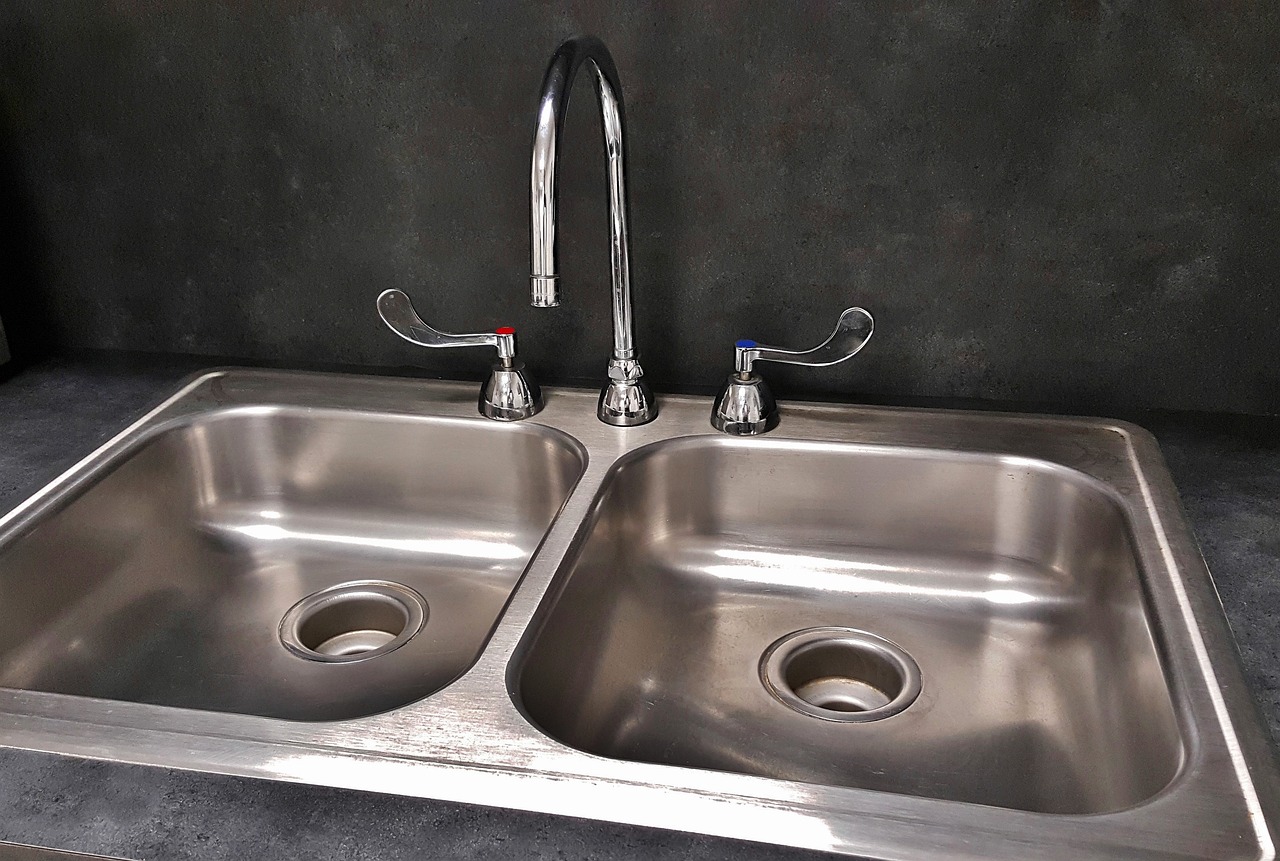
Common Signs Your Home Needs Immediate Plumbing Repairs
Plumbing issues inside a home are often underestimated until they become serious and costly problems. Small leaks, pressure changes, or drainage issues can quickly escalate into structural damage, mould growth, and water wastage if they are ignored for too long. Understanding early warning signs is essential for protecting both your property and your health.
Many homeowners delay addressing minor plumbing concerns because they seem manageable at first. However, what appears to be a small inconvenience can sometimes indicate a deeper issue within the system. In some cases, hidden pipe damage or underground leaks may already be developing without visible symptoms.
This is why timely awareness and action matter. Knowing when to seek professional help, and recognising patterns of deterioration early, can make a significant difference in preventing emergency repairs and unnecessary expenses. Even experienced homeowners often rely on skilled plumbers when the signs become unclear or persistent.
Slow Drains and Recurring Blockages
One of the earliest and most common indicators of plumbing trouble is slow drainage. When sinks, showers, or bathtubs take longer than usual to empty, it often suggests a partial blockage forming within the pipes. While occasional clogs can happen, recurring issues may point to deeper system obstructions.
Grease, soap residue, hair, and debris can build up over time, narrowing the pipe’s internal diameter. In more severe cases, tree roots may infiltrate underground lines, especially in older properties. These issues tend to worsen gradually, making early detection crucial.
If multiple drains in the home are slow at the same time, it is often a sign of a main line issue rather than isolated blockages. This is typically when homeowners begin considering whether professional intervention is necessary, especially when store-bought solutions no longer help.
Unusual Water Pressure Changes
Water pressure that suddenly drops or fluctuates is another warning sign that should not be ignored. Consistent pressure is essential for daily household tasks such as showering, washing dishes, and laundry. When it changes unexpectedly, it may indicate pipe leaks, sediment build-up, or valve issues.
In some cases, pressure problems are caused by municipal supply fluctuations. However, when the issue is isolated to a single property, internal plumbing faults are more likely. Air trapped in the system or hidden leaks can also disrupt steady flow.
Persistent pressure inconsistencies can strain appliances like geysers and washing machines, leading to premature wear and tear. Identifying the root cause early helps prevent more extensive damage to the plumbing network.
Leaks and Moisture Indicators
Visible leaks are among the most obvious signs of plumbing trouble, but not all leaks are easy to detect. Some occur behind walls, under floors, or within ceilings, where they slowly cause damage over time. Discolouration, peeling paint, or damp patches are often early indicators.
Unexplained moisture around fixtures, persistent musty odours, or warped surfaces should never be overlooked. Even small leaks can lead to significant water loss and structural weakening if left unresolved.
In situations where leaks are suspected but not visible, homeowners often turn to qualified plumbers who use diagnostic tools to locate hidden issues without unnecessary damage to the property. This helps ensure accurate repairs and prevents further deterioration.
Strange Noises in Pipes
Unusual sounds coming from plumbing systems can signal underlying problems. Banging, rattling, or whistling noises are often associated with pressure irregularities or loose pipe fittings.
Water hammer, for example, occurs when flowing water is suddenly stopped, causing a shockwave through the pipes. This can loosen joints over time and increase the risk of leaks. Air pockets within the system may also produce gurgling sounds.
While occasional noises may not indicate serious damage, consistent or worsening sounds should be investigated. These acoustic signs often provide early clues before visible problems appear.
Water Discoloration and Odours
Changes in water appearance or smell are strong indicators that something is wrong within the plumbing system. Brown, yellow, or cloudy water may suggest rusting pipes, sediment build-up, or contamination from external sources.
Similarly, unpleasant odours coming from taps or drains can indicate bacterial growth or sewer line issues. These problems not only affect water quality but can also pose health risks if left untreated.
If discolouration or odours persist, it is important to stop using the affected water source and seek a professional assessment. Water quality issues are not always visible in the early stages, making regular monitoring essential.
Rising Water Bills and Hidden Leaks
A sudden increase in water bills without a corresponding change in usage is often a sign of hidden leaks. Even small, undetected leaks can waste large amounts of water over time, significantly increasing monthly costs.
These leaks may occur in underground pipes, within walls, or in faulty fixtures such as toilets and taps. Because they are not always visible, the only clue may be a gradual rise in water consumption.
When to Call a Professional
Knowing when to seek help can prevent minor issues from escalating. Homeowners should consider professional assessment when:
- Multiple plumbing issues occur at the same time
- DIY fixes fail to resolve recurring problems
- Water damage becomes visible in structural areas
- Unexplained increases in water usage appear on bills
- Strange smells or noises persist despite basic troubleshooting
At this stage, relying on experienced plumbers ensures that the problem is accurately diagnosed and properly repaired before it worsens.
Preventative Steps for Homeowners
Preventative maintenance plays a key role in reducing plumbing emergencies. Regular inspections, mindful water usage, and early attention to minor issues can significantly extend the lifespan of a home’s plumbing system.
Simple habits such as avoiding grease disposal in sinks, using drain covers, and checking for small leaks under sinks or around toilets can make a noticeable difference. Seasonal checks are also helpful, especially in older homes where pipes may be more vulnerable to wear.
Other useful preventative measures include:
- Monitoring water pressure regularly to detect sudden changes
- Inspecting visible pipes for rust, corrosion, or moisture
- Cleaning drains periodically to prevent build-up
- Ensuring outdoor plumbing is protected from root intrusion
- Scheduling routine system evaluations to catch early faults
These proactive steps help reduce the likelihood of unexpected breakdowns and improve overall system efficiency.
Final Considerations for Home Plumbing Health
Maintaining a safe and functional plumbing system requires attention, awareness, and timely action. Many serious plumbing failures begin as small, easily overlooked issues that gradually worsen over time. Recognising these early warning signs can prevent extensive property damage and unnecessary repair costs.
Homeowners who stay vigilant about changes in water flow, pressure, or quality are far more likely to avoid emergencies. Even subtle indicators, such as unusual odours or minor damp spots, can reveal deeper underlying issues.
Ultimately, consistent care and early intervention remain the most effective ways to ensure long-term plumbing reliability and home safety.


Preventing Frozen Pipes During Cold Weather
Cold weather can create serious problems for household plumbing systems. When temperatures drop sharply, the water inside pipes can freeze and expand, putting pressure on the pipe walls. If the pressure becomes too great, pipes may crack or burst, leading to expensive repairs and potential water damage inside the home.
Many homeowners underestimate how quickly pipes can freeze, especially during sudden cold snaps. Even in areas that do not experience extremely harsh winters, poorly insulated pipes or exposed plumbing can still be vulnerable. This is why taking preventative measures before temperatures drop is essential for protecting your home.
Professional advice from experienced Linden Plumbers often emphasizes that prevention is far easier and cheaper than dealing with a burst pipe emergency. Understanding the risks and applying a few practical strategies can significantly reduce the likelihood of frozen pipes and the costly damage that follows.
Why Pipes Freeze During Cold Weather
Pipes freeze when water inside them is exposed to temperatures at or below freezing for an extended period. As the water turns to ice, it expands. This expansion creates internal pressure within the pipe.
Contrary to what many people believe, pipes do not always burst exactly where the ice forms. The blockage caused by frozen water can trap pressure between the ice and a closed faucet. When that pressure builds high enough, it may cause the pipe to rupture at a weaker point somewhere along the line.
Several areas in a home are particularly susceptible to freezing:
-
Pipes located in unheated spaces such as basements, garages, or crawl spaces
-
Plumbing inside exterior walls
-
Outdoor hose bibs and irrigation lines
-
Pipes in poorly insulated roof spaces or attics
Understanding these vulnerable spots helps homeowners focus their preventative efforts where they are needed most.
Early Warning Signs of Frozen Pipes
Recognizing early signs of freezing can help prevent a small issue from turning into a major plumbing emergency. When temperatures drop significantly, pay attention to unusual plumbing behavior.
A common early sign is reduced water flow. If you turn on a faucet and only a small trickle appears, ice may already be forming inside the pipe.
Another indicator is frost on visible pipes. If exposed plumbing develops a thin layer of frost or feels extremely cold to the touch, freezing conditions are likely affecting the system.
Strange sounds may also occur. When pipes begin freezing, slight cracking or banging noises sometimes develop as ice forms and pressure builds.
If any of these warning signs appear, acting quickly can prevent further damage.
Practical Steps to Prevent Frozen Pipes
Preventative maintenance is the most effective way to protect plumbing systems during cold weather. By preparing your home in advance, you reduce the chances of pipes freezing when temperatures fall.
Below are some practical steps homeowners can follow:
-
Insulate exposed pipes – Pipe insulation sleeves or foam wrapping help retain warmth and protect vulnerable plumbing.
-
Seal gaps and cracks – Cold air entering through walls, windows, or foundations can lower temperatures around pipes. Sealing these gaps reduces exposure.
-
Disconnect outdoor hoses – Leaving hoses attached can trap water in outdoor faucets, which may freeze and expand inside the pipe.
-
Allow faucets to drip slightly – Running water is less likely to freeze. A slow drip can help relieve pressure in extremely cold conditions.
-
Keep cabinet doors open – In kitchens and bathrooms, opening cabinets allows warm indoor air to circulate around plumbing under sinks.
-
Maintain consistent heating – Avoid lowering indoor temperatures too much during cold nights, even when away from home.
These simple precautions can dramatically lower the risk of frozen pipes and keep plumbing systems operating smoothly throughout winter.
The Importance of Proper Pipe Insulation
Insulation is one of the most effective long-term solutions for preventing frozen pipes. Pipes located in colder areas of a home often lack sufficient protection from freezing temperatures.
Pipe insulation works by slowing heat loss. Even when the surrounding air becomes cold, insulated pipes maintain a more stable internal temperature, reducing the likelihood of freezing.
Different insulation materials are available, including foam sleeves, fiberglass wraps, and specialized thermal pipe tape. Each option provides varying levels of protection depending on the pipe location and environmental conditions.
Many homeowners choose to install basic insulation themselves. However, more complex systems—such as pipes running through exterior walls—may require professional installation. In these cases, qualified Linden Plumbers can identify vulnerable areas and recommend appropriate insulation solutions that provide lasting protection.
What to Do If a Pipe Freezes
Despite preventative efforts, pipes may still freeze during particularly severe weather. Acting quickly and carefully can help prevent the situation from escalating into a burst pipe.
If you suspect a pipe has frozen, follow these general guidelines:
-
Turn on the faucet connected to the frozen pipe to relieve pressure.
-
Apply gentle heat to the pipe using a heating pad, hair dryer, or warm towels.
-
Start warming the pipe near the faucet and move toward the colder section gradually.
-
Never use open flames or blowtorches to thaw plumbing.
If the frozen section cannot be located or the pipe remains blocked, it is best to contact trained professionals who have the proper tools and experience to address the problem safely.
Long-Term Plumbing Protection for Cold Seasons
Preventing frozen pipes is not just about responding to cold weather—it involves planning ahead and maintaining plumbing systems throughout the year.
Routine inspections can identify weaknesses before winter arrives. Cracked insulation, aging pipes, or poorly sealed wall openings all increase the likelihood of freezing during cold temperatures.
Homeowners also benefit from scheduling periodic plumbing assessments. Professionals can examine exposed pipes, water pressure levels, and insulation coverage to ensure everything remains in good working condition.
Regular maintenance helps detect issues early and provides peace of mind during colder months. Many property owners rely on trusted Linden Plumbers for seasonal inspections that identify vulnerabilities before freezing temperatures create serious damage.
Taking proactive steps today can prevent major repairs tomorrow. By insulating pipes, sealing cold air leaks, and monitoring plumbing during winter, homeowners can protect their systems from freezing conditions and maintain reliable water flow throughout the coldest days of the year.

When Should You Hire a Private Investigator? Real-Life Scenarios Explained
Uncertainty can be overwhelming. When facts are unclear and emotions are involved, it becomes difficult to make rational decisions.
In certain situations, professional investigative support provides clarity, evidence, and peace of mind.
Hiring a private investigator is not about suspicion for its own sake. It is about verifying facts, protecting your interests, and making informed decisions based on credible information. From personal matters to complex business disputes, investigative services can offer lawful, discreet, and structured evidence-gathering when ordinary efforts fall short.
Understanding when it is appropriate to seek this level of support is critical. Below are realistic scenarios where professional investigation may be justified and beneficial.
Suspected Infidelity or Marital Concerns
Few situations are as emotionally charged as suspecting a partner of dishonesty. Sudden behavioral changes, unexplained absences, secretive communication, or financial inconsistencies often create doubt. Acting purely on suspicion can damage relationships, yet ignoring red flags can prolong distress.
An investigator operates within legal boundaries to document behavior, confirm facts, and provide objective findings. Surveillance, background verification, and digital evidence analysis may be used depending on the jurisdiction and circumstances. The goal is not to inflame conflict but to establish truth.
In family law proceedings, evidence gathered professionally can influence decisions related to divorce settlements, child custody, and asset division. Courts value documented, lawful findings rather than emotional testimony. When your personal stability and financial future are at stake, verified information matters.
Child Custody and Child Welfare Investigations
Child custody disputes are among the most serious family law matters. Allegations of neglect, substance abuse, unsafe living conditions, or inappropriate conduct must be substantiated with credible evidence.
A professional investigator may:
-
Conduct lawful surveillance to document parenting behavior.
-
Verify employment and living arrangements.
-
Identify potential criminal history or harmful associations.
-
Gather witness statements within legal parameters.
Family courts prioritize the best interests of the child. Reliable documentation can clarify whether concerns are legitimate or unfounded. It is important that investigations remain ethical and compliant with privacy laws to ensure admissibility.
When child safety is involved, decisions should be grounded in verifiable facts rather than assumptions.
Missing Persons and Locating Individuals
People go missing for various reasons—family estrangement, unpaid debts, inheritance disputes, or simply lost contact. Law enforcement typically prioritizes cases involving immediate danger, leaving some civil matters unresolved.
In such situations, hiring a private investigator can be appropriate. Professionals use database research, public records analysis, skip tracing techniques, and interviews to locate individuals lawfully.
Common reasons for locating someone include:
-
Serving legal documents
-
Settling estates
-
Recovering outstanding payments
-
Reconnecting with biological family members
The process requires discretion and strict adherence to data protection regulations. A qualified investigator understands how to access permissible information without violating privacy statutes.
Employee Misconduct and Corporate Fraud
Businesses face risks ranging from internal theft to intellectual property breaches. Unexplained financial discrepancies, inventory shrinkage, or suspicious vendor relationships can indicate deeper issues.
Corporate investigations often involve:
-
Financial record analysis.
-
Background checks on employees or partners.
-
Undercover operations when legally permitted.
-
Digital forensic reviews of company devices.
Engaging a private investigator in corporate settings ensures impartial documentation and professional evidence handling. This is especially important if termination, civil litigation, or criminal charges may follow.
Internal investigations conducted without professional guidance risk breaching labor laws or privacy protections. Structured investigative protocols minimize liability while safeguarding the organization’s reputation.
Insurance Fraud Investigations
Insurance fraud affects both companies and policyholders by increasing premiums and undermining trust. Suspicious injury claims, exaggerated damages, or fabricated incidents require careful verification.
Investigators may assess inconsistencies through surveillance, scene documentation, witness interviews, and background checks. Evidence must be obtained lawfully to avoid legal complications.
For insurers, thorough investigation reduces financial loss. For policyholders accused of fraud, independent verification may also serve as a defense. Accuracy protects all parties involved.
Background Checks Before Major Decisions
Significant life decisions—entering a business partnership, hiring a senior executive, investing in a company, or even entering a serious personal relationship—carry risk.
While online searches provide surface-level information, comprehensive due diligence often requires deeper analysis. A professional investigator can verify:
-
Criminal records and civil litigation history.
-
Financial distress indicators or bankruptcy filings.
-
Educational and employment credentials.
-
Business ownership and corporate affiliations.
Conducting lawful, structured background checks reduces the likelihood of fraud, misrepresentation, or reputational harm. In high-stakes transactions, verified intelligence is a protective measure rather than a luxury.
Harassment, Stalking, or Threat Assessment
Harassment and stalking allegations must be handled carefully. Victims may feel unsafe but lack sufficient documentation to pursue protective orders or criminal charges.
Investigative support can help document patterns of behavior, identify anonymous perpetrators in certain lawful contexts, and compile evidence for court proceedings. However, investigations must remain compliant with privacy and surveillance laws.
Personal safety is paramount. Individuals facing immediate danger should always contact law enforcement first. Investigative services complement, but do not replace, emergency response systems.
Asset Searches and Financial Investigations
During divorce, business disputes, or debt recovery actions, hidden assets may complicate proceedings. Individuals sometimes conceal income streams, properties, or offshore accounts.
Financial investigations involve tracing asset ownership through public records, corporate filings, property registries, and other lawful data sources. Courts often require substantiated evidence before adjusting settlements.
Professional documentation strengthens legal claims and ensures transparency. Financial clarity enables fair negotiation and equitable outcomes.
Intellectual Property and Competitive Intelligence Concerns
In competitive industries, proprietary information has significant value. Unauthorized disclosure of trade secrets, patent infringement, or data breaches can cause severe financial damage.
An investigator may assist legal counsel by documenting misuse, identifying responsible parties, and preserving digital evidence. Forensic procedures must meet evidentiary standards to withstand scrutiny in court.
Corporate leaders must ensure that investigative activities remain within ethical and legal boundaries. Illegally obtained evidence can invalidate claims and create additional liability.
Due Diligence in Online Relationships
The digital era has increased opportunities for deception. Romance scams, identity fraud, and fabricated personal histories are increasingly sophisticated.
Before making financial commitments or relocating for an online relationship, verifying identity and background details is prudent. An experienced investigator can confirm employment claims, marital status, and identity records where legally accessible.
This type of due diligence is about risk management. Emotional decisions benefit from factual confirmation.
Legal Considerations Before Hiring an Investigator
Before engaging investigative services, consider the following:
-
Ensure the investigator is properly licensed where required by law.
-
Confirm that methods used comply with local privacy and surveillance regulations.
-
Request a written agreement outlining scope, fees, and reporting procedures.
Professional investigators do not hack accounts, access private messages unlawfully, or plant tracking devices without consent. Any request for illegal conduct should be a warning sign.
Evidence obtained unlawfully may be inadmissible and could expose you to civil or criminal liability.
Emotional vs. Strategic Decision-Making
Not every suspicion warrants a formal investigation. Sometimes open communication, mediation, or legal consultation may resolve concerns more efficiently.
Ask yourself:
-
Is there a legitimate legal, financial, or safety risk involved?
-
Have reasonable attempts at clarification already failed?
-
Would documented evidence materially change a legal or personal outcome?
If the answer to these questions is yes, professional investigative assistance may be justified.
The decision should be strategic rather than emotional.
Making an Informed Choice
Engaging a private investigator is a serious step. It reflects the need for verified information when uncertainty carries legal, financial, or personal consequences.
Whether addressing marital concerns, corporate fraud, child custody disputes, or due diligence matters, the underlying objective remains consistent: establishing facts through lawful and ethical methods.
Clarity empowers better decisions. When the stakes are high and evidence is required, professional investigation provides structure, discretion, and accountability in situations where speculation is no longer enough.